
 guy
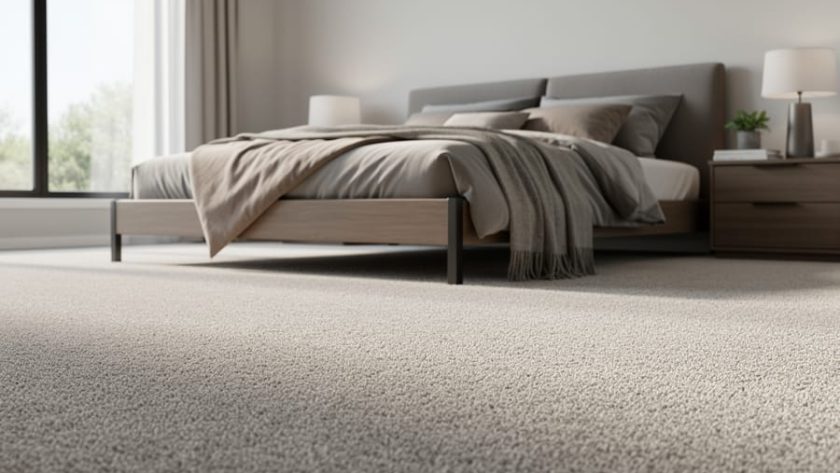
guy Modern bedroom carpet flooring refers to contemporary carpet options designed with advanced materials, refined manufacturing techniques, and sleek aesthetics that align with current interior design trends. Unlike traditional wall-to-wall shag or heavily patterned carpets from decades past, modern bedroom carpet emphasizes clean lines, subtle textures, low profiles, and performance features like stain resistance and improved durability.
If you’re weighing flooring choices for a bedroom refresh in 2026, you’re probably wondering whether carpet still makes sense when hardwood and luxury vinyl dominate social media feeds. The short answer: absolutely, but the carpet itself has evolved. Today’s bedroom carpets offer warmth and sound absorption without the high-maintenance reputation or dated look that turned many homeowners away.
This guide walks you through what defines modern carpet, how it’s constructed to outperform older styles, and the specific types available for bedrooms. You’ll learn where contemporary carpet excels (comfort underfoot, noise reduction, budget flexibility) and where it falls short compared to hard surfaces. We’ll also cover practical selection criteria so you can match pile height, fiber type, and color to your lifestyle, whether you’re dealing with pets, allergies, or simply want a cozy retreat that doesn’t look like your grandmother’s guest room.
By the end, you’ll have a clear picture of whether modern bedroom carpet fits your renovation goals and which style delivers the performance and aesthetic you’re after.
What Modern Bedroom Carpet Flooring Really Means
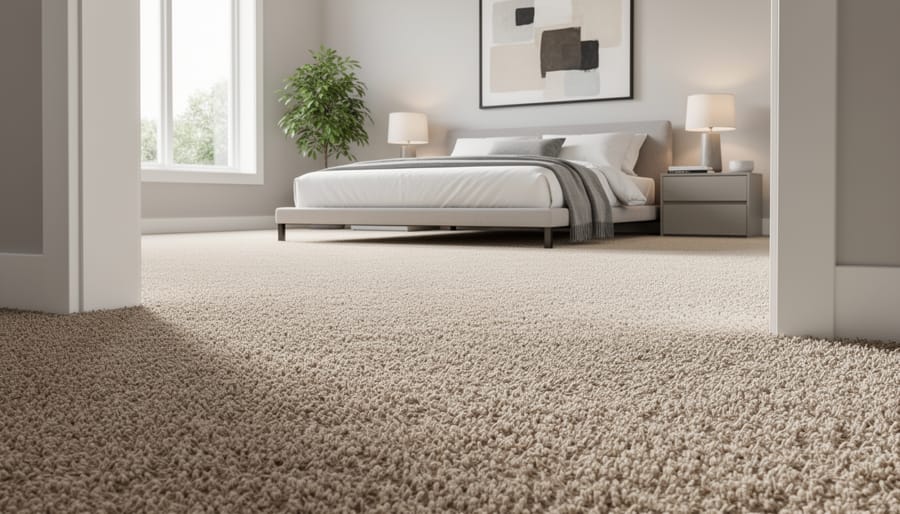
Modern bedroom carpet flooring refers to contemporary carpet products designed with advanced materials, sleek aesthetics, and performance features that align with today’s lifestyle needs and design preferences. Unlike the thick, ornate carpets of previous decades, modern options prioritize clean lines, practical durability, and functionality suited to how we actually live in 2026.
What sets modern bedroom carpet apart from traditional styles isn’t just appearance, it’s a fundamental shift in how carpet is manufactured and what it delivers. Traditional carpet often featured dense, high-pile constructions in busy patterns that dominated a room’s aesthetic. Modern versions take a subtler approach, with lower profiles, neutral palettes, and textures that complement rather than compete with contemporary furniture and décor.
- Low-Pile Construction
- Fibers cut or looped close to the backing, creating a sleek, streamlined surface that fits contemporary design aesthetics while remaining easier to clean than traditional deep-pile options.
- Stain-Resistant Technology
- Advanced fiber treatments and engineered materials that repel spills and resist permanent staining, addressing one of the biggest historical drawbacks of bedroom carpet.
- Sustainable Fiber Composition
- Use of recycled plastics, natural wool, or bio-based materials that reduce environmental impact while maintaining durability and comfort.
- Minimalist Color and Pattern
- Solid neutrals, subtle textures, and geometric patterns that create visual interest without overwhelming modern bedroom design schemes.
- Allergen Control Features
- Hypoallergenic fibers and treatments that trap dust and allergens rather than releasing them into the air, countering concerns about carpet in sleeping spaces.
The materials themselves have evolved significantly. Modern bedroom carpets typically use engineered fibers like solution-dyed nylon or recycled polyester that outperform older wool or polyester blends in stain resistance and colorfastness. Manufacturing techniques now allow for precise texture control, creating carpet that feels luxurious underfoot without the maintenance headaches that plagued earlier versions.
Performance is where modern carpet truly distinguishes itself. Today’s options are built for real life, they handle foot traffic better, clean more easily, resist fading from sunlight, and often carry meaningful warranties. This practical evolution, combined with designs that actually work in contemporary bedrooms, explains why carpet is shedding its dated reputation and appearing in stylish homes again.
How Modern Bedroom Carpet Works
Fiber Technology and Construction
Modern bedroom carpet fibers are engineered at the molecular level to handle the specific demands of where you sleep. Today’s nylon carpets incorporate stain-blocking technology directly into the fiber structure, not just as a surface treatment that wears off after a year. Solution-dyed nylon resists fading and repels most household spills, making it the workhorse choice for busy families.
Polyester fibers have evolved beyond their scratchy reputation from the 1990s. Contemporary polyester carpet uses fine-denier fibers that feel luxuriously soft underfoot while naturally resisting water-based stains. The trade-off? It crushes more easily than nylon under heavy furniture, though that matters less in a bedroom than in a hallway.
Wool blends combine natural temperature regulation with synthetic durability. A 70/30 wool-nylon blend gives you wool’s breathability and natural flame resistance alongside nylon’s toughness. Wool also naturally absorbs allergens and VOCs from the air, a genuine benefit if you’re sensitive to indoor air quality.
Recycled PET carpet (made from plastic bottles) has matured into a legitimate modern option. Manufacturers now produce fibers from post-consumer waste that match virgin polyester’s softness while offering similar stain resistance. These carpets typically cost 10-20% more than standard polyester but appeal to eco-conscious homeowners.
The construction itself matters as much as the fiber. Higher twist counts (5-7 twists per inch) create carpets that bounce back after compression. Dense tufting, measured as face weight, determines whether your carpet looks plush or cheap after three years of use.
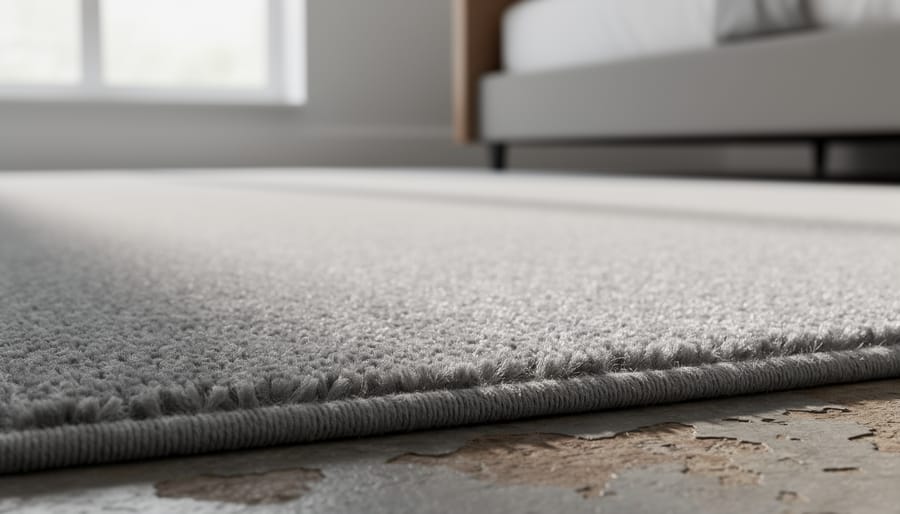
Installation and Underlay Systems
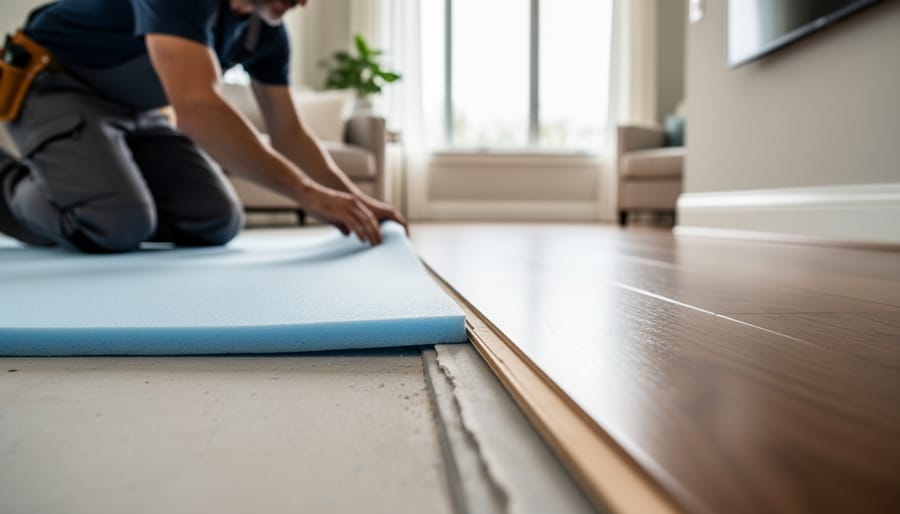
Modern bedroom carpet relies on two key systems working together: the underlay (padding) and the installation method itself.
Underlay options determine how your carpet feels underfoot and how long it lasts. Memory foam padding offers the plushest feel and excellent sound absorption, ideal for master bedrooms. Rebond padding (made from recycled foam) provides firm support at a lower price point and works well for high-traffic bedrooms. Waffle rubber padding gives a firmer surface that makes vacuuming easier and suits bedrooms with heavy furniture. Thickness matters: 7/16-inch padding suits most bedrooms, while thicker options can actually reduce carpet lifespan by creating too much flex.
Installation methods affect both performance and cost. Stretch-in installation uses tack strips around the room perimeter and stretches the carpet over padding, this remains the standard for bedrooms because it allows the carpet to flex naturally, feels more comfortable, and makes future removal easier if you remodel. Glue-down installation adheres carpet directly to the subfloor with minimal or no padding, creating a very firm surface that works better for commercial spaces than cozy bedrooms.
The right combination depends on your bedroom’s use. A guest room might use basic rebond padding with stretch-in installation, while your master suite benefits from premium memory foam padding that turns your bedroom carpet into a genuine comfort feature.
Types of Modern Bedroom Carpet Flooring
Low-Pile and Cut-Pile Carpets
Low-pile and cut-pile carpets dominate modern bedroom carpet flooring choices in 2026 because they deliver a sleek, contemporary look without sacrificing the warmth and comfort carpet provides. These styles work particularly well in bedrooms designed around minimalist, Scandinavian, or mid-century modern aesthetics where you want a refined, sophisticated floor surface.
Cut-pile carpet features individual yarn tufts that are cut at the surface, creating an upright, uniform appearance. Within this category, you’ll find textured cut pile, the most forgiving option for bedrooms with high traffic or families with children, as its varied yarn directions naturally hide footprints and vacuum marks. Saxony carpet offers a more formal, plush feel with evenly cut fibers standing straight up, ideal for master bedrooms where you want that luxurious, hotel-like softness underfoot. Frieze (or twisted pile) represents the most casual modern option, with tightly twisted fibers that create a textured, almost shaggy appearance while maintaining a low profile.
The “low-pile” designation typically means pile height under half an inch, which fits modern bedroom carpet flooring perfectly, contemporary enough to pair with clean-lined furniture, yet substantial enough to feel comfortable when you step out of bed barefoot on a cold morning.
Loop-Pile and Patterned Carpets
Loop-pile carpets bring texture and durability to modern bedrooms through their unique construction, where yarn loops remain uncut for a distinctive surface feel. These styles resist crushing and matting better than cut-pile options, making them practical choices for bedrooms that see moderate foot traffic.
Berber carpet, the most recognized loop-pile style, features large, chunky loops that create a casual yet contemporary look. Modern Berber typically uses nylon or polyester fibers rather than traditional wool, offering better stain resistance and easier maintenance. The textured surface hides footprints and vacuum marks naturally, keeping bedrooms looking fresh between cleanings.
Level loop carpets create a smooth, uniform appearance with consistent loop heights across the entire surface. This minimalist aesthetic fits perfectly in modern bedroom designs, particularly when chosen in solid, neutral tones. The tight loop construction provides excellent durability while maintaining a sleek profile.
Pattern loop carpets, sometimes called cut-and-loop, combine cut and uncut loops to create geometric designs, subtle textures, or tone-on-tone patterns. These carpets add visual interest without overwhelming a bedroom’s design scheme. Popular modern patterns include small-scale geometrics, organic ripples, and abstract textures that complement contemporary furniture and décor. The varied surface also helps conceal minor spills and wear patterns better than solid cut-pile styles.
Sustainable and Eco-Friendly Options
Eco-conscious homeowners now have more sustainable carpet choices than ever before. Recycled polyester carpets made from post-consumer plastic bottles have become mainstream options in 2026, turning thousands of bottles per roll into soft, durable bedroom flooring. These recycled fiber carpets perform comparably to virgin materials while diverting plastic from landfills, a meaningful environmental benefit that doesn’t compromise on comfort or appearance.
Natural wool remains the premium sustainable choice for modern bedroom carpet flooring. Wool offers inherent stain resistance, flame retardancy, and exceptional durability without chemical treatments. It regulates humidity naturally, releases fewer volatile organic compounds than synthetic options, and biodegrades at the end of its lifespan. Modern wool carpets now come in contemporary colors and textures that fit minimalist and trendy bedroom aesthetics, though they command higher prices than synthetic alternatives.
Plant-based options like sisal blends and carpets incorporating bamboo or corn-based fibers are emerging alternatives. These materials work well in bedrooms prioritizing natural aesthetics, though they typically offer less softness underfoot than wool or recycled polyester.
Look for third-party certifications when shopping: Green Label Plus indicates low VOC emissions, while Cradle to Cradle certification addresses the full lifecycle environmental impact. Many manufacturers now offer take-back programs for old carpet, closing the recycling loop. Sustainable carpet choices typically cost 10-30% more upfront but often include longer warranties that offset the initial investment.
Where and How Modern Bedroom Carpet Is Used
Modern bedroom carpet flooring adapts to virtually any sleeping space, and the specific application depends on room size, lifestyle needs, and design goals. In master suites, wall-to-wall carpet creates a luxurious, hotel-like foundation that defines the entire space. Many homeowners choose plush cut-pile options in neutral tones for the main floor area, then layer with accent rugs near seating areas or at the foot of the bed. This approach works particularly well in larger bedrooms where different zones serve different purposes, sleeping, dressing, reading, and the continuous carpet surface unifies them while providing consistent underfoot comfort.
Guest bedrooms benefit from durable, easy-care modern carpet that balances comfort with practicality. Since these rooms see intermittent use, loop-pile or textured styles resist crushing and maintain their appearance between visits. Lighter colors work well here because guest rooms typically experience less foot traffic than primary bedrooms, and a fresh, neutral carpet creates a welcoming atmosphere for visitors. Many people opt for stain-resistant treated fibers in guest spaces as insurance against accidents.
Children’s bedrooms present unique opportunities where modern carpet truly shines:
- Full-coverage installation provides a safe, cushioned play surface that reduces injury risk from falls
- Under-bed zones benefit from carpet’s dust-trapping properties, making cleaning easier than with hard floors
- Noise reduction becomes crucial in multi-story homes or apartments where active children live above other living spaces
- Pattern and loop-pile options hide minor stains and wear better than smooth, solid-color styles
- Area rug alternatives emerge when carpet tiles are used, allowing damaged sections to be replaced individually rather than redoing the entire floor
Teen bedrooms often use modern carpet as a backdrop for evolving decor. A neutral carpet foundation lets them change wall colors, posters, and furniture without clashing, and the sound-absorbing properties help contain music and conversations, a consideration many parents appreciate.
Compact bedrooms and studios maximize space with low-pile carpet that doesn’t visually shrink the room. The continuous surface makes small spaces feel larger than area rugs with visible floor borders, and lighter carpet shades enhance this spacious effect. Modern carpet tiles offer particular flexibility in awkward layouts with alcoves or angled walls, since individual squares can be cut and fitted more easily than broadloom rolls.

Benefits of Choosing Modern Carpet for Your Bedroom
Modern bedroom carpet flooring delivers advantages that go beyond aesthetics, making it a practical choice for today’s homes.
Comfort and Warmth Underfoot
Carpet creates an immediately comfortable surface that hard flooring can’t match. When you step out of bed on a winter morning, carpet provides insulation and softness rather than cold shock. This thermal quality reduces heating costs because carpet acts as a natural insulator, keeping bedroom floors warmer without extra energy use. The cushioned surface also feels better for activities like stretching, yoga, or playing with kids on the floor.
Superior Sound Absorption
Bedrooms function as quiet retreats, and modern carpet flooring excels at sound control. The dense fibers absorb footsteps, voices, and ambient noise, both within the room and between floors. If your bedroom sits above a living area or you share walls with neighbors, carpet significantly reduces sound transmission. This acoustic benefit creates a more peaceful sleep environment and prevents your movements from disturbing others.
Enhanced Safety
Carpet provides a non-slip surface with built-in cushioning that reduces injury risk from falls. This matters particularly in children’s bedrooms, for older adults, or anyone who moves around at night when alertness is low. The soft landing surface minimizes impact compared to tile or hardwood.
Design Versatility
Modern bedroom carpet comes in hundreds of colors, textures, and patterns that hard flooring can’t replicate. You can match any design scheme, from minimalist neutrals to bold statement colors, and change the look later without replacing the entire floor. Carpet also hides minor imperfections in subfloors and creates visual warmth that balances sleek contemporary furniture.
Allergy and Air Quality Management
Contrary to older assumptions, quality modern carpet can improve indoor air by trapping dust and allergens in its fibers until vacuuming removes them, rather than letting particles circulate freely as they do on hard surfaces. Regular maintenance keeps this benefit working effectively.
What to Look for When Selecting Modern Bedroom Carpet
Choosing the right carpet for your bedroom comes down to balancing practical performance with the look you want. Start with fiber content, it’s the biggest factor in how your carpet will wear and clean. Nylon remains the most durable choice for high-traffic bedrooms and handles stains well, while polyester offers excellent softness at a lower price point and works beautifully in adult bedrooms with lighter use. Wool delivers unmatched luxury and natural stain resistance but costs significantly more. For 2026, recycled polyester carpets have improved dramatically in quality and now rival virgin fibers while meeting sustainability goals.
Pile height and density work together to determine comfort and longevity. Low-pile carpets (under half an inch) suit modern minimalist bedrooms and clean more easily, while medium-pile options (half to three-quarters of an inch) provide that plush feel most people want underfoot when they get out of bed. Don’t just squeeze the carpet sample, check the density by bending it back to see the backing. Quality modern carpet should resist showing the backing easily, indicating tight construction that will hold up better over time.
Stain protection technology has evolved considerably. Most manufacturers now apply stain treatments at the fiber level rather than as a topical coating, which means protection lasts the life of the carpet. Look for brands that specify what their stain protection covers, many now include warranties against common bedroom issues like makeup, lotions, and beverage spills. Ask specifically about the warranty terms: some require professional cleaning every 18 months to remain valid.
Color and pattern selection affects both design and practicality. Lighter neutrals create airy, spacious feelings in bedrooms but show dirt faster, while medium tones with subtle patterns or texture hide wear beautifully without overwhelming a space. Solid colors work best if you plan to change bedding and decor frequently, while patterned carpets can anchor a design scheme. Test samples in your actual bedroom lighting, carpet looks dramatically different in natural light versus evening lamplight.
Budget for modern bedroom carpet typically ranges from $3 to $12 per square foot installed in 2026. The $5 to $8 range offers the best value for quality that will last 10-15 years in a bedroom. Factor in quality padding (add $1-2 per square foot), which affects comfort more than most people realize and extends carpet life. Getting quotes from multiple installers often reveals $500-1000 differences on the same carpet.
Common Questions About Modern Bedroom Carpet Flooring
Is modern bedroom carpet flooring good for people with allergies?
Yes, modern carpets can actually help allergy sufferers. Today’s low-pile options trap allergens in their fibers rather than allowing them to circulate in the air like hard flooring does, and regular vacuuming with a HEPA filter removes these trapped particles effectively.
How long does modern bedroom carpet typically last?
Quality modern bedroom carpet flooring generally lasts 10-15 years with proper care, though high-traffic areas may show wear sooner. Density and fiber type matter more than price, a dense nylon carpet in a bedroom often outlasts cheaper polyester options by several years.
Can modern carpet handle pets in the bedroom?
Modern carpets with built-in stain protection and solution-dyed fibers handle pets reasonably well, especially in bedrooms where activity levels are lower than main living areas. Look for products specifically marketed as pet-friendly, which resist stains and odors better than standard options.
Is professional installation necessary for bedroom carpet?
Professional installation ensures proper stretching and seam placement, which prevents wrinkles and extends the carpet’s life. While some homeowners tackle carpet tiles or small rooms themselves, most bedroom installations benefit from professional work, particularly if you’re using quality materials you want to last.
How does modern bedroom carpet compare to hardwood or vinyl plank flooring?
Carpet offers unmatched warmth and cushioning underfoot, a real advantage in bedrooms where you’re barefoot most often. Hard floors win on durability and resale value, but modern carpet costs less to install, absorbs sound better, and creates a cozier atmosphere that many homeowners prefer in sleeping spaces.
Beyond these common concerns, you might wonder about maintenance time commitment. Modern bedroom carpet needs vacuuming once or twice weekly and professional deep cleaning every 12-18 months to maintain its appearance and hygiene. That’s more upkeep than sweeping hardwood, but the routine is straightforward and doesn’t require special products for day-to-day care.
Budget is another frequent question. Expect to pay between $3-8 per square foot installed for quality modern carpet in 2026, with luxury options reaching $10-12. That’s roughly half the cost of engineered hardwood and comparable to mid-range luxury vinyl plank, making carpet an economical choice if you’re renovating multiple bedrooms. The padding adds another dollar or two per square foot but dramatically improves comfort and extends the carpet’s lifespan, so it’s worth including in your budget from the start.
Modern bedroom carpet flooring has come a long way from the wall-to-wall shag of decades past. Today’s carpet combines the timeless comfort and warmth we’ve always loved with cutting-edge fiber technology, sustainable materials, and design-forward aesthetics that complement contemporary interiors. It’s not your grandmother’s carpeting, it’s engineered for real life, with stain resistance that handles spills, allergen control that supports healthier sleep environments, and durability that stands up to daily wear.
The resurgence of carpet in 2026 isn’t nostalgia driving the trend. It’s recognition that modern carpet solves real bedroom challenges: sound absorption for peaceful sleep, cushioned comfort underfoot on cold mornings, and slip resistance that makes it safer for children and older adults. When you pair those practical benefits with the incredible range of textures, colors, and patterns available now, carpet becomes a genuinely versatile choice that works in minimalist master suites and cozy guest rooms alike.
Your bedroom flooring decision should match your lifestyle, not follow trends blindly. If comfort, warmth, and noise reduction top your priority list, modern carpet delivers all three beautifully. Take time to assess your specific needs, pets, allergies, maintenance preferences, budget, and choose the fiber type, pile style, and construction that aligns with how you actually live. Carpet has evolved, and it deserves a fresh look as you plan your bedroom renovation.